If you’ve taken the first step towards a healthier you by steering clear of weight-adding habits, bravo! But what if I told you that’s just the beginning? What lies ahead is an exploration of gut-cleansing foods and their health benefits. So, let’s dive in and find out what’s on the menu!
The Guts of the Matter: Why Gut Health Matters
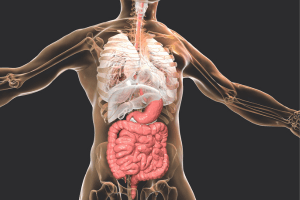
Your Gastrointestinal tract, a winding path from mouth to colon, is one of the body’s unsung heroes. Not only does it handle everything you ingest, but it also helps determine how you feel physically and mentally.
Like an engine, this system requires regular maintenance, and what you feed it (literally and figuratively) can influence its performance.
The Digestive Tract: The Epicenter of Nutrient Distribution
Unpacking the Nutritional Gifts: When you dine, it’s not just the taste that matters. Every bite undergoes a transformation, getting broken down into absorbable components.
Your digestive tract ensures that proteins become amino acids, fats break down into fatty acids, and carbohydrates convert to simple sugars, fueling and nourishing your body.
A Balancing Act with Gut Bacteria: Within the coils of your intestines lies a vast ecosystem of bacteria—your gut microbiome. These tiny microorganisms have an enormous responsibility: aiding digestion, producing vitamins, and communicating with the immune system.
However, a harmonious balance between beneficial and harmful bacteria is needed for them to function properly. A diet rich in cultured foods and fiber can support this balance, fostering a robust community of healthy gut bacteria.
Different Types of Gut Cleansing
The health world is abuzz with overlapping terms and can confuse even the most informed. Among them are “gut cleanse” and “colon cleanse.” While similar, they address different aspects of your digestive health.
Colon Cleansing: What It Is and Why It's Essential
Colon: The Last Stop in Digestion: At the end of the GI tract, the colon (or large intestine) absorbs water and forms stool. Over time, waste might accumulate due to a low-fiber diet or poor bowel habits, leading to poor colon health. This is where colon cleanses assist.
Health Benefits of Colon Cleansing: Flushing accumulated waste through a colon cleanse can revitalize your digestive health. By doing so, it potentially:
Reduces risks associated with irregular bowel movements.
Lowers chances of bloating and discomfort.
Minimizes the likelihood of harmful bacterial or yeast overgrowth.
Natural Colon Cleanse Methods: While commercial procedures are available, many use natural remedies like high-fiber foods (e.g., psyllium husk), apple juices, or herbal teas. They gently stimulate our bowels, helping clear the colon quickly without aggressive interventions.
The Gut Cleanse Diet: More than a Trend
Tuning into the Whole System: Unlike colon cleansing, which focuses mainly on the large intestine, gut cleansing considers the entire digestive system. From the esophagus to the colon, a gut cleanse diet intends to rejuvenate every part.
What Does it Involve?: This diet isn’t about deprivation but rather inclusion. It emphasizes:
Foods that promote good bacteria growth, such as cultured foods and prebiotics.
High-fiber foods to bolster digestion, including chia seeds and flax seeds.
Anti-inflammatory foods like turmeric tea or green leafy vegetables.
The Ripple Benefits: Apart from giving your digestive system a fresh start, a gut-cleansing diet also:
Improves gut motility, ensuring a more efficient digestive process.
Enhances nutrient uptake due to healthier intestinal lining.
Balances gut flora, preventing bacterial imbalances that could lead to digestive issues or mood swings.
4 Gut Cleansing Foods to Consider
Think cleansing your digestive system might be a good idea? Why don’t we dive into the heart of the matter and find the right foods that enhance gut health?
Dark Leafy Greens
Nature’s Roughage: Not only do they add color to your plate, but dark leafy greens also support a healthy digestive system.
Why They Shine:
Rich in Fiber: Dietary fiber in greens like spinach and chard promotes regular bowel movements, ensuring waste doesn’t overstay its welcome.
Chock-full of Nutrients: These greens are also teeming with B vitamins and minerals that improve gut health and immune function.
Natural Detoxifiers: Thanks to compounds like chlorophyll, dark leafy greens can help naturally remove toxins and support liver function.
Fermented Foods
Friendly Flora Boosters: The gut is a bustling metropolis of microbes. Probiotic-rich foods ensure the good guys, the beneficial microbes, have the upper hand.
Meet the MVPs:
Yogurt: It’s not just a tasty snack. With live cultures, yogurt can reintroduce good bacteria to a gut in need.
Kimchi & Sauerkraut: These spicy and tangy treats team with probiotics that help keep your gut bacteria balanced.
Kefir & Kombucha: Both beverages are fizzy probiotic powerhouses that aid in restoring and maintaining a healthy gut microbiome.
Flax and Chia Seeds
Tiny but Mighty: They might be small, but these seeds are Herculean for boosting digestive health.
Their Claim to Fame:
High Soluble Fiber Content: This helps form a gel-like consistency, ensuring smoother bowel movements.
Omega-3 Fatty Acids: Especially in flax seeds, these healthy fats help reduce inflammation in the digestive tract.
Green Tea, Apple Juice, and Herbal Tea
Hydration with Benefits: Beyond just quenching thirst, some beverages can enhance the gut cleansing process.
Sips of Wellness:
Green Tea: Rich in antioxidants, green tea detoxifies and helps reduce inflammation in the intestinal wall.
Apple Juice: Containing both soluble and insoluble fibers, it aids in softening stools. For best results, consume it on an empty stomach to kickstart the colon cleansing process.
Herbal Teas: From soothing chamomile to invigorating turmeric tea, herbal brews can support the gut by soothing irritations and promoting healthy digestion.
Foods to Limit or Avoid
While we’ve discussed the heroes of gut health, we can’t ignore the villains. Certain foods and additives, especially when consumed in excess, can play havoc with your gut. Here’s a look at a few culprits and why they might be worth avoiding or at least limiting.
Processed Foods
A quick snack or a ready-to-eat meal might be convenient, but their toll on our gut health might not be worth the trade-off.
What Makes Them Harmful:
Additives & Preservatives: Many processed foods contain artificial preservatives, colorings, and flavorings. These can disrupt the balance of our gut’s microbiota, favoring toxic bacteria over beneficial ones.
High Sugar Content: Sugar, especially the refined kind, can be a feast for undesirable bacteria and yeasts in our gut, leading to bacteria overgrowth issues. Over time, a high-sugar diet can contribute to a host of digestive problems, including poor bowel movements and bloating.
Trans Fats: Often found in fried foods, some margarines, and baked goods, trans fats can induce inflammation in the GI tract, impairing its function and potentially leading to chronic conditions.
Alcoholic Beverages
Alcohol, especially in excess, can disrupt the balance of your gut’s bacteria, leading to digestive issues. Overconsumption can also result in a leaky gut, where the gut lining becomes permeable, allowing toxins and bacteria to enter the bloodstream.
Gluten
While many can consume gluten without issues, it’s a different story for those with celiac disease or gluten sensitivity. Gluten can lead to inflammation, intestinal wall damage, and many other digestive issues.
Dairy
Dairy can be a gut nightmare for lactose intolerant or sensitive people. Whether it’s bloating or diarrhea, your body will tell you if dairy is an issue.
3 Proactive Steps: How to Perform a Gut Cleanse
A healthy gut contributes significantly to overall health and well-being. But, with the modern diet and lifestyle, it’s common for our digestive systems to get a little off track. A proactive gut cleanse can help rejuvenate the digestive system. However, it’s not just about a healthy diet. It’s about an entire approach.
Step 1: Up Your Fiber Intake
Fiber is a darling in the world of digestion, and for good reason.
The Role of Fiber-Rich Foods:
Regulating Bowel Movements: Fiber bulks up stools, ensuring regularity to help prevent diarrhea and constipation.
Feeding Beneficial Bacteria: Some fibers, known as prebiotics, act as food for the good citizens of our gut microbiome, ensuring they flourish.
Detoxification: Fiber helps bind toxins in our GI tract, assisting in their safe elimination.
Tips for Increasing Fiber:
Whole Grains: Foods like quinoa, oats, and brown rice are fiber-rich.
Veggies & Fruits: Variety is key in this case. It’s also smart to consume them whole or unpeeled where possible.
Supplementation: If it’s difficult to increase fiber through regular nutrition, many supplement with psyllium husk powder instead.
Here’s a quick non-affiliate link to Psyllium Powder for those interested!
Step 2: A Spoonful of Apple Cider Vinegar Does Wonders
Apple cider vinegar, often referred to as ACV, is one of those versatile home remedies that seems to have an endless list of uses.
Why It’s Beneficial:
Promoting a Healthy pH: ACV can help balance the stomach’s acidity, boosting nutrient absorption and fostering a healthy digestive system.
Combatting Harmful Bacteria: ACV contains natural antimicrobial properties, helping to control toxic bacteria in the digestive tract.
Encouraging Digestive Enzymes: Its acidic nature can stimulate the production of digestive enzymes, ensuring food is broken down efficiently.
Ways to Incorporate ACV:
Morning Tonic: Mix a tablespoon of ACV in a glass of warm water. Add some lemon juice and honey for taste, and consume it on an empty stomach in the morning.
Salad Dressing: Use ACV as a base for salad dressings, pairing it with olive oil and herbs.
Step 3: Stay Hydrated
Water is essential for nearly all our body’s processes, including digestion.
Softening Stools: Adequate hydration ensures stools are soft and easy to pass, preventing constipation.
Assisting Detox: Water helps flush toxins from our system, playing a role in our body’s natural detoxification processes.
Tips for Staying Hydrated:
Start Your Day Right: Drink a glass of water as soon as you wake up.
Infused Water: Add fruits, herbs, or cucumber slices to your water for added flavor and nutrients.
Holistic Health and the Gut: Beyond Digestion and Into the Mind
While our digestive system’s primary function is to process food and absorb nutrients, its role in our well-being is more complex and far-reaching than that. By caring for your gut, you’re laying a foundation for holistic health, from your mental state to your immune system and even your metabolism.
The Gut-Brain Axis: The Unseen Communication Channel
It’s super cool to realize that your gut isn’t just about digesting food like that awesome smash burger you had for lunch; it’s your second brain, baby! This intricate relationship, often called the gut-brain axis, works through an elaborate network of nerves, hormones, and even the immune system.
A Haven for Serotonin: Did you know your gut churns out about 90% of your body’s serotonin? Yep, that’s the hormone that regulates your mood, sleep, and appetite. So, if you’re feeling the blues or just “off,” your gut might be the place to look for answers.
Mood Disorders: Any imbalance in your gut could directly influence your mental health, giving rise to conditions like anxiety or depression. It’s a two-way street, too. Stress can mess with your gut, and an unhealthy gut can amp up stress. Talk about a loop!
Nutrient Absorption and Immune Defense: The Ripple Effect of a Healthy Gut
When your gut is thriving, every cell in your body gets a nutrient boost, and your immune system becomes a well-oiled machine.
Good Bacteria, Good Defense: The gut is like a training ground for your immune cells. Beneficial bacteria teach them the good from the bad, shaping up your immune system for those unwanted invasions.
Barrier Function: A rockstar gut lining acts as a VIP barrier, keeping out pathogens and letting in only the essentials.
Your Gut and Your Weight: A Metabolic Connection
Who knew your gut could play a role in how you rock those jeans? Yup, your gut bacteria influence the hormones that control your appetite and how efficiently you use energy or lose weight.
Appetite Regulation: Some bacteria act like hormone whisperers, subtly influencing how much and when you feel like eating.
Nutrient Uptake: A happy gut means your body can extract and store energy more efficiently. So, if you’re on a health journey, your gut could be your secret weapon.
The Connection Between Gut Health and Various Conditions
A healthy gut is essential for more than just proper digestion. The state of one’s gut can influence a spectrum of health conditions, from severe illnesses like colon cancer to digestive disorders such as irritable bowel syndrome and inflammatory bowel disease. Let’s delve deeper.
The Interlink Between Gut Health and Colon Cancer
The colon, a vital digestive system component, plays a significant role in overall health. Imbalances in gut bacteria or prolonged inflammation can increase the risk of cancer.
Bacterial Imbalance: Dysbiosis, an imbalance between beneficial and toxic bacteria, can lead to inflammation and is considered a risk factor for cancer development.
Diet’s Role: Certain foods, especially those rich in fiber, like cruciferous vegetables, ensure a healthy colon. Conversely, excessive consumption of red or processed meats has been linked to a higher risk of cancer.
Irritable Bowel Syndrome (IBS) and Gut Health
IBS, characterized by abdominal pain and irregular bowel movements, is directly influenced by the state of our gut. Factors such as:
Gut Flora Disruption: An imbalance in the enteric flora can trigger or worsen IBS symptoms.
Food Sensitivities: Some people with IBS react adversely to certain foods, further underscoring the gut’s role in this condition.
Inflammatory Bowel Disease (IBD) and the Gut Connection
IBD, which includes Crohn’s disease and ulcerative colitis, results from chronic GI inflammation. Gut health plays a pivotal role in managing and potentially exacerbating this condition.
Immune System Response: The gut’s health can influence the immune system’s activity, sometimes leading it to mistakenly attack the GI tract, causing inflammation.
Bacterial Factors: Some researchers believe specific strains of bacteria in the gut can trigger inflammation, leading to IBD symptoms.
Wrapping Up: A Journey to Improved Digestion
Gut cleansing foods, when incorporated correctly, offer a plethora of benefits. From balancing pH levels in the body to promoting a healthy immune system, the journey is rewarding. Remember, every bite you take is a step towards a healthier you.
Share this post: on Twitter on Facebook on LinkedIn