

 They’re like walking anatomy charts, aren’t they? There’s a reason calisthenics athletes are showcasing insanely low levels of body fat and muscle definition to die for. Their training regimen focuses on bodyweight movements, demanding high levels of strength, flexibility, and coordination.
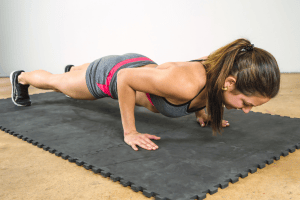 Ah, the good old push-up. You can’t talk about bodyweight training or upper body strength without giving this timeless exercise its due credit. They build torso strength, and there are multiple variations to target different muscles.
Make sure your hands are shoulder-width apart to activate those chest muscles properly. Want to get fancy? Try a diamond push-up for tricep gains or wide-grip push-ups to hit those outer pecs. The push-up is versatile; it’s like the Swiss Army knife of upper body workouts.
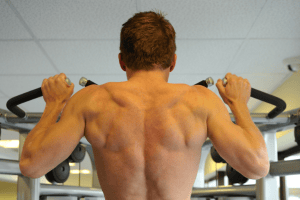 Your pull-up bar will become your new best friend. I’m not kidding; this thing is a masterpiece of muscle engagement. It not only improves your back strength but also engages a huge muscle group, including your lats, arms, and shoulders. But beware of their addictive nature. Once you start seeing those wings pop, there’s no turning back.
 Want to engage more of your back? Opt for awide-grip variation. With your arms and hands positioned wider than shoulder width, you’re adding a new layer of challenge to an already grueling exercise. The wider grip places more emphasis on the shoulders and terres major, giving you that broader, V-shaped back you might be aiming for.
 You know what’s harder than pulling yourself up on a bar? Inversion! Also called handstand push-ups, these bad boys target the entire body and require a considerable amount of strength, balance, and believe it or not, flexibility. It’s like performing a military press, but the resistance isn’t a barbell—it’s your entire body weight. I like to think of it like I’m shoulder-pressing the Earth.
 Don’t underestimate the power of an isometric hold. Arms extended plank is an isometric exercise that zeroes in on your shoulders, engaging your entire body while at it. Your feet should be shoulder-width apart, and your arms fully extended in a straight line. It’s the simple exercises that can sometimes bring the most pain—and gains. Want more? Trying leaning forward a couple inches (Laughs in evil).
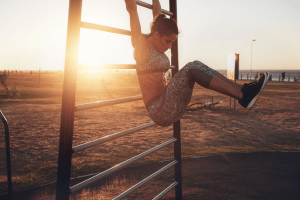 Before you get excited, no, this doesn’t involve raising a six-pack of beer. This involves you hanging from a pull-up bar and lifting those legs until they’re parallel with the ground. Go for 3 sets of 10, and you’ll feel your core ignite like fireworks on the Fourth of July.
 Find a spot on the ground, sit with your feet elevated, and hold your hands at your chest like you’re about to receive a divine offering of abs. Then rotate your torso side to side, tapping the floor next to your hips each time. Do this for 3 sets for a 30-60 seconds. Not only will your core be burning, but you’ll also give your obliques a workout they won’t soon forget.
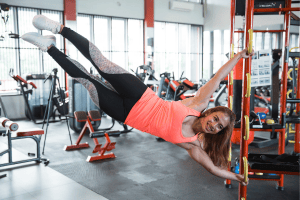 In case you missed it the first time (because it’s that cool), the flagpole is not for mere mortals. This is the pinnacle of core strength and should only be attempted by those who’ve been in the calisthenics game for a hot minute. Just latch onto a vertical pole or pull-up bar, using a mixed grip. Press yourself into a horizontal position, holding your body in place using—yup, you guessed it—your Herculean core.
And voila! Now you’re armed with a rock-solid core repertoire to insert into your calisthenics journey. It’s the pièce de résistance of your training program that will make your midsection harder than an exercise science anatomy final. Feeling pumped? You should be. Moving on!
 Now, who doesn’t want quads that could crush watermelons? Enter jumping lunges. In a lunge position, you’re going to explode upwards and switch legs mid-air, only to land back into a lunge with the other leg forward. It’s like you’re an action hero dodging explosions.
This exercise not only works your quads but also improves your range of motion and flexibility. Get ready to feel that delicious burn, because your quads are about to enter the furnace.
 This isn’t just a squat; it’s a full-body symphony with your leg as the conductor. Balance on one leg, and squat down while keeping your opposite leg straight. It’s like doing the limbo, but the bar is your own physical limitations. Alternate legs and keep the party going.
 Let’s get exotic with a move that hails from Bulgaria but is adored by leg enthusiasts worldwide. Position one foot on an elevated surface behind you and lunge down with the front leg. This exercise targets the quads, hamstrings, and glutes, adding both strength and endurance to your lower body portfolio.
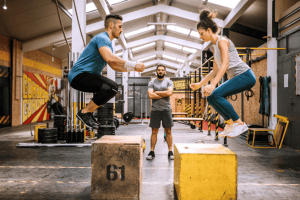 You might think jumping onto a box or a high surface is kids’ play. Think again. Box jumps are fantastic for building explosive strength. They engage your quads, hamstrings, and calves while pushing your cardiovascular limits. Start low, aim high, and defy gravity, my friend!
 Lying on your back with knees bent, push through your heels to lift your hips towards the ceiling. Squeeze those glutes like you’re holding a winning lottery ticket between them. This exercise not only targets the glutes but also the hamstrings, providing a comprehensive lower body workout.
So there you have it, a guide that can turn your lower body into a pair of power-packed pistons. Trust me, integrate these exercises into your routine, and you’ll be jumping higher, running faster, and impressing everyone at the next superhero costume party with your absolutely stunning Spider-Man leaps. Shall we keep this fitness fiesta going?
 Ah, my friends, welcome to the cheat code of calisthenics: weighted clothing. We’re talking weighted vests, ankle weights, and even wrist weights. These are not your grandma’s sewing sandbags; these are your ticket to gains-ville.
Slapping on some weighted clothing is like turning up the gravity in your workout room. It’ll add that extra bit of resistance to your bodyweight exercises, making you work harder to defy the laws of physics. It’s like training in Dragon Ball Z’s Hyperbolic Time Chamber but without the spiky hair and screaming. Perfect for those days when your standard routine starts feeling like a walk in the park rather than a Herculean labor. Just remember, weighted clothing isn’t for newbies. Make sure your form is immaculate before leveling up your workout wardrobe.
